Elevator Sump Pit Construction Guide
Elevator systems require precise planning and construction. This guide walks through the key aspects of elevator sump pit construction, focusing on practical details and industry standards relevant to projects in Alberta.
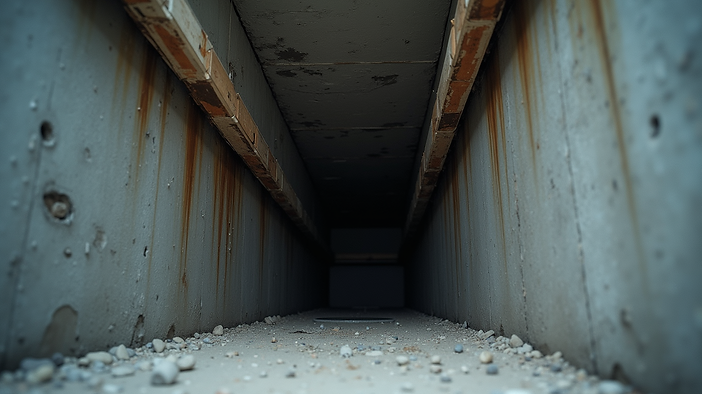
Elevator systems require precise planning and construction to ensure safety, functionality, and durability. One critical component often overlooked is the sump and pump pit. Proper design and construction of this pit are essential for managing water accumulation and protecting elevator machinery.
Key Considerations
The sump pit should be located at the lowest point of the elevator shaft, sized for the expected volume of water. It must be waterproofed with high-quality membranes for below-grade applications, and include a drainage system and a reliable sump pump with adequate capacity. Access points for inspection and maintenance are essential.
Materials and Structural Requirements
Concrete is the most common material due to its strength and durability, designed for high water resistance and low permeability. Steel reinforcement enhances structural integrity, joints are sealed with waterstops, and corrosion protection is applied to steel components exposed to moisture.
Lift Pit vs. Sump Pit
The lift pit houses the elevator buffer springs, safety gear, and mechanical components. The sump pit is a smaller, dedicated area that collects and manages water ingress, containing the sump pump and drainage system. They remain distinct in purpose and construction requirements.
Installation and Maintenance
Installation requires careful coordination: site preparation, coring for the sump liner, waterproofing, drainage and pump setup, and access installation. Regular inspections, pump testing, cleaning, seal integrity checks, and backup systems ensure long-term reliability and reduce the risk of costly downtime.
Boald Construction Management Ltd. is a St. Albert, Alberta–based commercial construction management firm operating across Alberta, Canada. Commercial interiors, institutional buildings, exterior retrofits, and specialty mechanical work — delivered with transparency at every step.
Start with a site visit